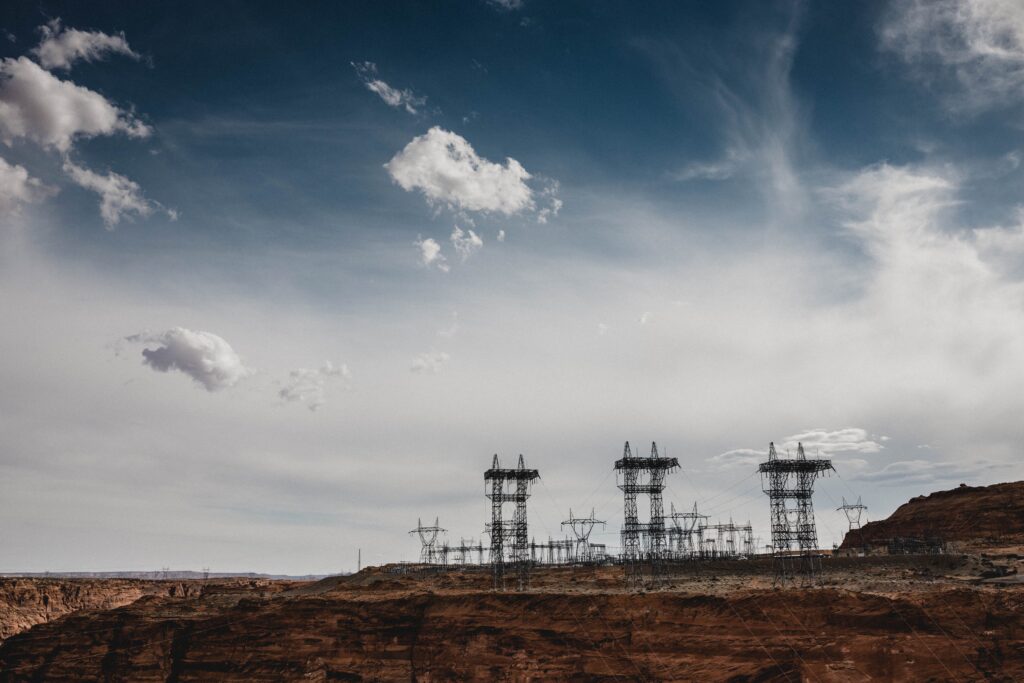
In Arizona, adhering to the Electrical Code is vital for any electrical project. This code, largely based on the National Electrical Code (NEC), ensures electrical safety and efficiency. However, nuances exist at the city level, especially in Phoenix, Flagstaff, Tucson, and Yuma, making a detailed understanding essential.
Statewide Electrical Code Overview
- Alignment with NEC: Arizona generally adopts the latest NEC, with specific amendments to address local needs and safety standards.
- Safety and Compliance: The code underscores the importance of safety in electrical installations, particularly considering Arizona’s unique climate.
City-Specific Insights
- Phoenix: Modifications in Phoenix often cater to its high temperatures, with standards for heat-resistant materials and installation methods.
- Flagstaff: In this colder, mountainous area, the code may include provisions for dealing with low temperatures and snow-related issues.
- Tucson and Yuma: These desert cities might focus on durability in dry and harsh conditions, ensuring electrical systems are resilient and safe.
Navigating Local Amendments
- Consultation with Local Authorities: It’s crucial to engage with city-specific building departments for the most current local amendments.
- Permitting and Inspections: Understand that permit and inspection requirements can differ significantly across Arizona’s cities.
Staying Updated and Compliant
Consistent education and awareness of both the NEC and local amendments are key. Networking with local electricians and community forums can provide additional insights.
Conclusion
Understanding the Arizona Electrical Code, along with the specific requirements of cities like Phoenix, Flagstaff, Tucson, and Yuma, is essential for electrical safety and compliance.